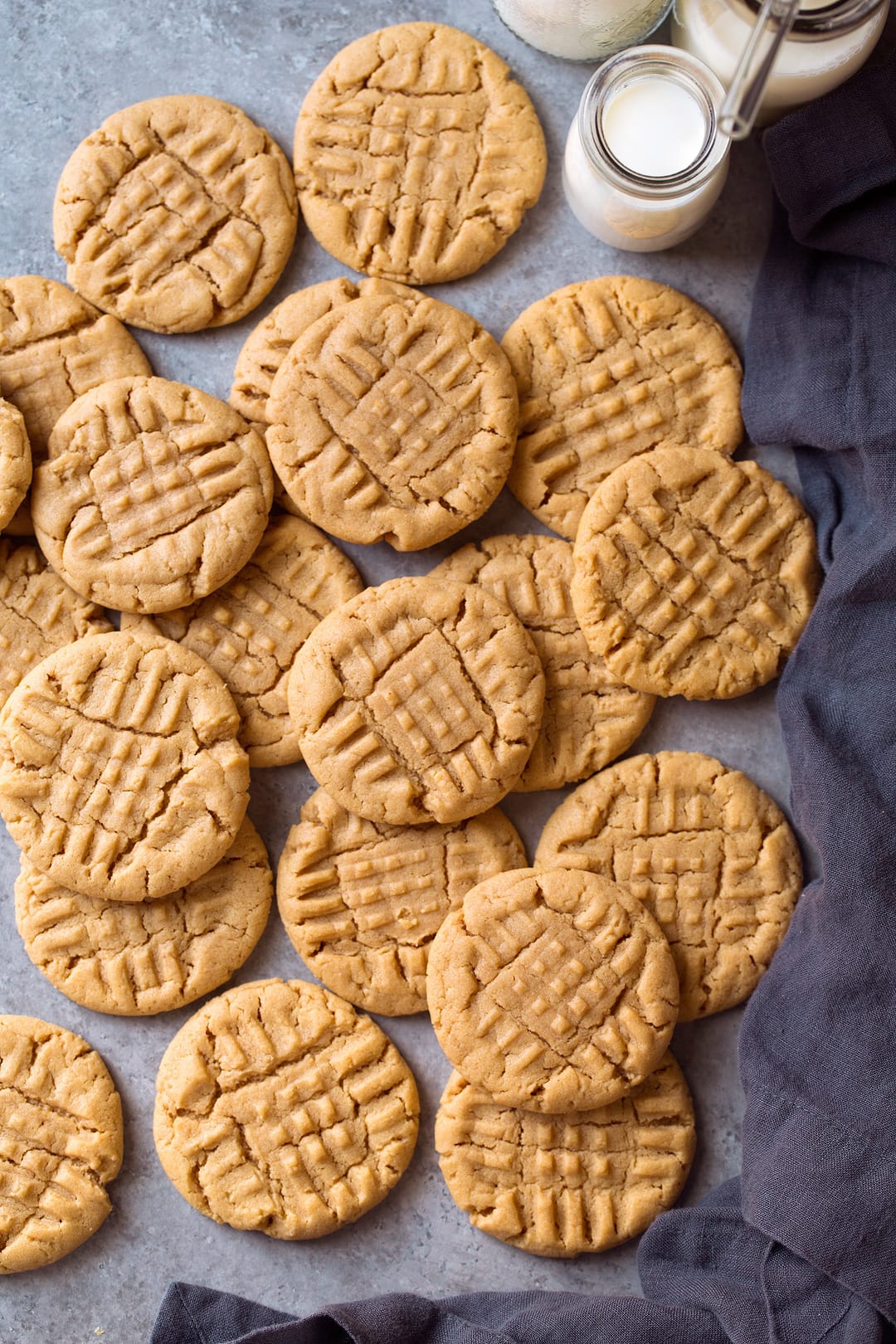
The Quest for the Perfect Classic Peanut Butter Cookie
There's something undeniably comforting and utterly irresistible about a
classic peanut butter cookie. The distinctive aroma filling your kitchen, the satisfying crunch followed by a chewy, melt-in-your-mouth texture, and that perfect balance of sweet and nutty flavor – it’s a timeless treat that evokes nostalgia and brings smiles to faces of all ages. Paired with a tall glass of cold milk, it's a simple pleasure that's hard to beat. But with countless recipes claiming to be the "best," what truly elevates a
classic peanut butter cookie recipe to legendary status? Is it a secret ingredient, a precise technique, or a perfect harmony of both?
This article delves into the heart of what makes an outstanding classic peanut butter cookie, exploring the critical ingredients and techniques that define texture, flavor, and overall enjoyment. We'll unpack the nuances that differentiate good from truly great, helping you understand how to bake a batch that's perfect for you and your family.
The Enduring Appeal of Classic Peanut Butter Cookies
Before we dissect the components of a superior recipe, let's acknowledge the universal charm of the
classic peanut butter cookie. It’s more than just a dessert; it’s a cultural icon, a staple in lunchboxes, cookie jars, and bake sales across generations. Its widespread popularity stems from several key factors:
- Nostalgic Comfort: For many, it's a taste of childhood, a familiar and reassuring flavor that brings back warm memories.
- Simple Yet Sophisticated Flavor: The simple combination of savory, salty peanut butter with sweet sugars creates a complex and deeply satisfying nutty profile that’s incredibly addictive. The richness of butter complements this beautifully, offering a depth that's both comforting and gourmet.
- Kid and Adult Friendly: Its approachable flavor and fun, recognizable cross-hatch pattern make it a favorite for all ages, bridging the gap between sophisticated palates and picky eaters.
- Versatility: Perfect as an afternoon snack, a dessert after dinner, or a contribution to any potluck, these cookies are always a hit.
This enduring appeal means that everyone has an idea of what their "best" classic peanut butter cookie should taste like – whether it's super chewy, perfectly crisp, or wonderfully soft. Understanding the variables allows you to tailor your baking to achieve your ideal cookie.
Key Ingredients: The Foundation of Flavor and Texture
Every ingredient in a
classic peanut butter cookie recipe plays a crucial role in the final outcome. Slight variations in type or quantity can dramatically alter the cookie's texture, spread, and overall flavor.
The Peanut Butter Predicament: Regular vs. Natural
This is perhaps the most critical decision. Many esteemed recipes, including Martha Stewart's, explicitly recommend using
regular, not natural, peanut butter for the best texture.
- Regular Peanut Butter (e.g., Jif, Skippy): Contains added sugar, salt, and often hydrogenated oils. These oils act as a stabilizer, preventing separation and contributing to a more consistent, firmer dough. The added sugars also contribute to sweetness and browning. This results in a chewier, more structurally sound cookie that holds its shape better and spreads less.
- Natural Peanut Butter: Typically contains only peanuts and salt, with oil separation being common. While healthier, its higher oil content and lack of stabilizers can lead to a greasier dough that spreads significantly more during baking, resulting in flatter, often crumbly cookies.
Our tip: For that iconic chewy-yet-crisp texture and predictable outcome, stick with a creamy, regular peanut butter.
Fats: Butter, Shortening, or Both?
The choice of fat dramatically impacts both flavor and texture.
- Unsalted Butter: Provides rich, dairy notes and contributes to a tender crumb. When creamed with sugar, it incorporates air, leading to a lighter texture. However, butter also contains water, which evaporates during baking, sometimes leading to more spread.
- Shortening: A solid, hydrogenated vegetable fat that is 100% fat (unlike butter, which is about 80% fat and 20% water). Shortening contributes to a softer, more tender cookie with less spread, as there's no water to evaporate. It also helps achieve a more uniform texture. Recipes like Better Homes & Gardens often include shortening for this very reason, aiming for a soft yet stable cookie.
Our tip: For a richer flavor, lean towards all butter. For a softer cookie with a more consistent shape and a bit more tenderness, a combination of butter and shortening can be ideal.
Sugars: Granulated vs. Brown
Most recipes use a combination for a balanced profile.
- Granulated Sugar: Contributes to crispness, helps with spread, and provides a clean sweetness.
- Light-Brown Sugar (packed): Adds moisture, chewiness, and a subtle molasses flavor that complements the peanut butter beautifully. Its acidity can also interact with baking soda.
Our tip: A 1:1 ratio of granulated to brown sugar (like Martha Stewart's recipe) often strikes a perfect balance between crisp edges and a chewy interior.
Leavening Agents: Baking Soda, Baking Powder, or Both?
These agents dictate how much your cookies rise and spread.
- Baking Soda: Requires an acid (like brown sugar or cream of tartar, though not in these recipes) to activate. It promotes spread and contributes to a chewier texture and a slight crispness.
- Baking Powder: A complete leavener (contains acid and base) that reacts when wet and again with heat. It typically results in a lighter, cakier texture and more rise.
Our tip: Recipes using only baking soda tend to be denser and chewier with more spread. Recipes using both (like BH&G) might be slightly puffier and softer. Experiment to find your preferred level of chewiness and rise.
Mastering the Method: Techniques for Perfection
Beyond ingredients, the method of preparation significantly impacts the final cookie.
Creaming Butter and Sugars
The first step in many recipes, creaming softened butter and sugars together, isn't just about mixing. It's about aerating the mixture, incorporating tiny pockets of air that contribute to the cookie's final texture and rise. Mix on medium speed until the mixture is pale and fluffy, typically 2-3 minutes.
Dough Chilling: A Step Not to Skip
Many top recipes, including Martha Stewart's, recommend chilling the dough.
- Prevents Spread: Chilling solidifies the fats in the dough, preventing the cookies from spreading too much in the oven.
- Deepens Flavor: It allows the flavors to meld and develop, resulting in a richer taste.
- Easier Handling: A chilled dough is less sticky and easier to scoop and shape.
Our tip: Even 30 minutes of chilling can make a significant difference in dough handling and cookie shape. For a truly stable cookie, an hour (as suggested by BH&G if needed) is even better. This is a pro tip for perfect texture! For more depth on this, read
Bake Classic Peanut Butter Cookies: Pro Tips for Perfect Texture.
The Iconic Cross-Hatch Pattern and Optional Sugar Roll
The distinctive crisscross pattern pressed with fork tines isn't just for looks. It helps to flatten the dough balls, promoting more even baking and a consistent thickness. Some recipes, like BH&G's, also suggest rolling the dough balls in extra granulated sugar before baking. This adds a delightful sugary crust and extra sparkle, contributing to a crispier edge.
Baking Temperature and Time: A Tale of Two Cookies
This is where recipes often diverge, leading to different results.
- 350°F (Martha Stewart): A slightly lower temperature often means a longer bake time (14-16 minutes). This can result in a chewier cookie with more even browning throughout.
- 375°F (Better Homes & Gardens): A higher temperature leads to a shorter bake time (7-9 minutes). This typically results in cookies with crisper edges and a softer, often slightly doughier center.
Our tip: If you prefer a chewier cookie with a consistent texture, stick to 350°F. If you like a cookie with crispier edges and a softer interior, 375°F might be your sweet spot. Always watch your cookies closely, as oven temperatures can vary. The cookies are usually done when the edges are lightly golden brown. They will continue to set as they cool.
Crafting Your "Best" Classic Peanut Butter Cookie Recipe
So, what makes a
classic peanut butter cookie recipe the "best"? It ultimately comes down to personal preference, but by understanding the impact of each variable, you can achieve your ideal cookie.
If you crave a chewy, consistently textured cookie that holds its shape beautifully:
- Use regular, smooth peanut butter.
- Opt for all unsalted butter.
- Include both granulated and light-brown sugar.
- Rely on baking soda for leavening.
- Chill your dough for at least 30 minutes.
- Bake at 350°F for 14-16 minutes.
If you prefer a softer, slightly puffier cookie with crispier edges:
- You can still use regular peanut butter, but consider a recipe that incorporates shortening alongside butter.
- Utilize both baking soda and baking powder.
- Consider rolling the dough balls in extra granulated sugar before baking.
- Bake at 375°F for 7-9 minutes.
Remember to use an ice cream scoop for consistent sizing, line your baking sheets with parchment paper for easy removal, and always let the cookies cool slightly on the sheet before transferring to a wire rack to cool completely. For an
easy classic peanut butter cookies: a family favorite treat, simplifying steps like dough chilling to an "as needed" basis can still yield fantastic results.
Conclusion
The quest for the "best"
classic peanut butter cookie recipe is a delightful journey of experimentation and discovery. Whether you lean towards Martha Stewart's meticulously crafted chewy version or the softer, quicker-bake approach of Better Homes & Gardens, the magic lies in understanding how each ingredient and technique contributes to the final masterpiece. By mastering these nuances, you're not just following a recipe; you're crafting a beloved treat that perfectly suits your taste buds. So preheat your oven, grab your peanut butter, and embark on your own delicious adventure to bake the ultimate classic peanut butter cookie.